By Beate Kubitz,
If you live in an area that’s not on a major route, the chances are you will have to walk further to get to a bus stop. The buses may not arrive very often and there’s likely to be less choice of where you can travel to.
Demand responsive buses can fill in gaps in the bus network and help ensure that even people living away from busy bus routes can use public transport.
What is DRT?
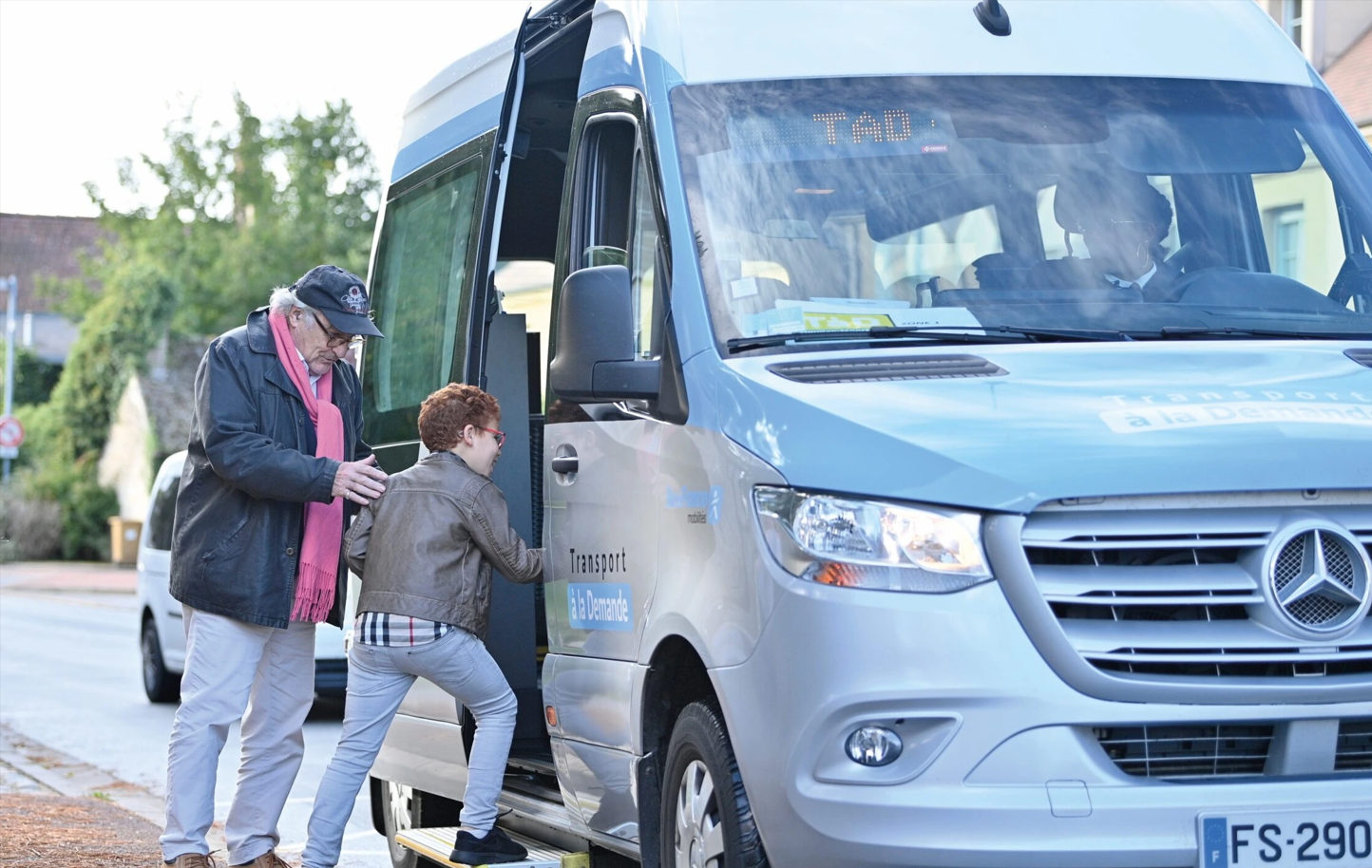
DRT services, sometimes referred to as flexible buses, on-demand buses or demand-responsive transport, are buses that can be booked. They don’t follow a fixed route, but travel from where you get on to where you want to get off, picking up other people who have booked in the same direction.
DRTs are usually booked using an app or website (although most services have a call centre for people who can’t use this option). Most allow you to book in advance (to make sure you get to a planned appointment or catch the train) as well as on the day in ‘real time’. The bookings are handled by a powerful algorithm which plans the best route so all passengers can be picked up and dropped off efficiently. Sometimes you can book using an ‘arrive by’ feature to make sure you won’t be late.
Once you have a trip booked, you will meet the bus at a ‘virtual bus stop’ near your house – this might be a street corner or landmark (or a bus stop if there is one nearby). Most DRTs will send you notifications to let you know it’s arriving – and you’ll be able to see it in your app. Some services go door-to-door, particularly if you have mobility problems. The bus will drop you off at your destination. If you’re travelling outside the area they serve, they might take you to a bus or rail station so you can continue your journey.
Trials of DRT services have launched in rural areas where there are very few buses, and in suburbs, estates and business parks that are difficult to serve with fixed routes.
DRT case study
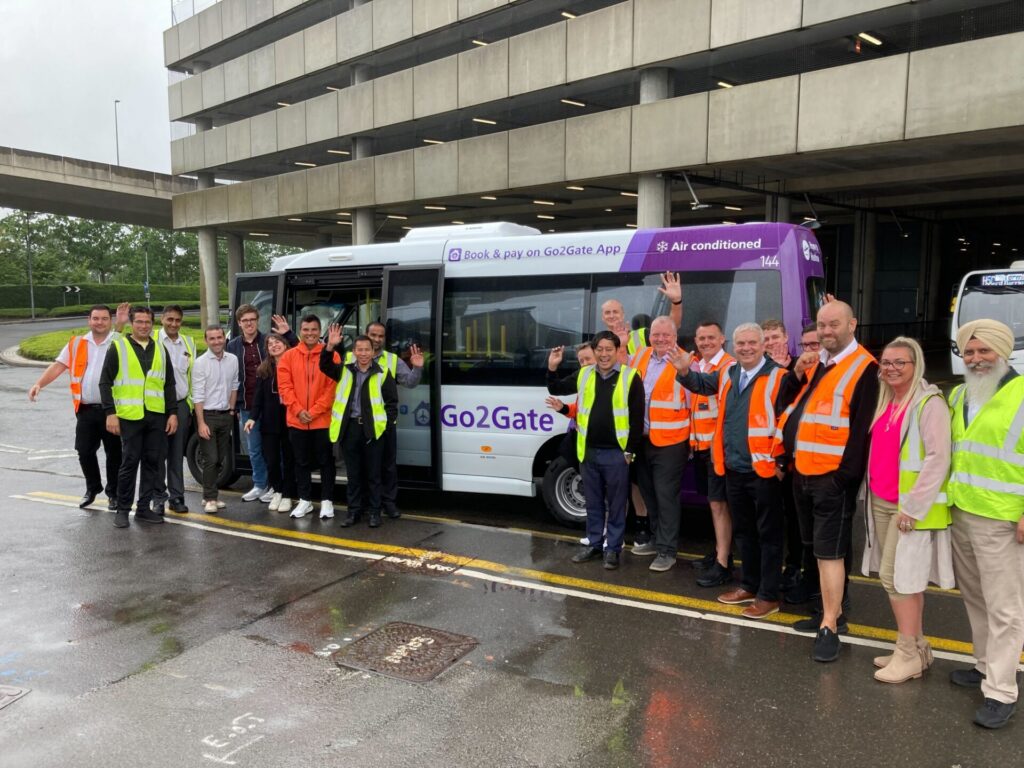
Go2Gate takes people from a housing estate near Slough to Heathrow Airport. Rather than the bus stopping at each bus stop on every street (which would be really slow) it goes directly to pick up the people who have booked and, once it has collected them, goes straight to or from the airport. It runs from 3am to midnight so that people working early and late shifts at the airport can get to work, and also carries people to catch their flights. Whilst it’s really busy at some times of day (and night), it doesn’t need to run if no one has booked. The service is run by Reading Buses, using Padam Mobility to manage the bookings and bus routes, with support from Heathrow Airport.
Read the full Go2Gate case study